
Seasonal Pet Care: Adjusting Your Routine as the Weather Changes
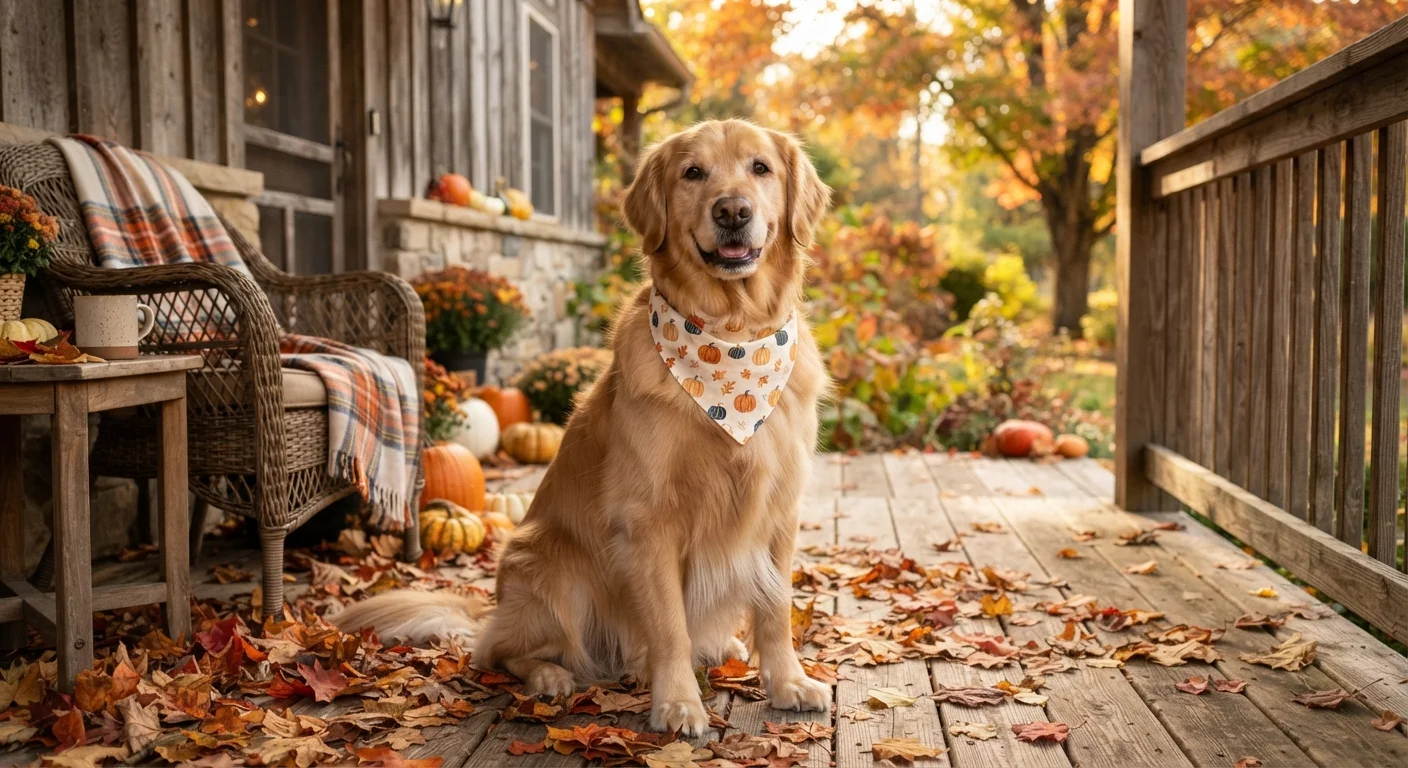
Photo credit: readerspanel.com
In this article
From summer heat to winter cold, each season brings specific comfort and safety considerations that shift how you care for your pet day to day.
Why seasonal changes affect your pet
Temperature swings, shifting daylight hours, and changes in outdoor activity all affect your pet's comfort, mood, and physical health. Unlike humans, pets cannot layer up, seek shade independently, or tell you when something feels wrong. That gap makes seasonal awareness part of responsible pet ownership.
Seasonal adjustments are not about dramatic overhauls. Most involve small, consistent changes: checking water more often in summer, protecting paws from ice and salt in winter, or watching for allergy symptoms in spring. The Pet Health & Care hub covers the broader wellness picture, but the seasonal layer deserves its own attention.
Heat stroke
A dangerous condition in which a pet's body temperature rises to a level the animal cannot regulate on its own. It requires immediate veterinary attention and can be fatal if untreated.
Paw pad irritation
Inflammation or cracking of the fleshy pads on a pet's feet, caused by hot pavement, ice, or chemical exposure. Symptoms include limping, licking, or visible redness.
Parasite prevention
Veterinarian-prescribed treatments, such as topical applications or oral medications, that protect pets from fleas, ticks, heartworm, and other parasites throughout the year.
Cold tolerance
A pet's ability to maintain a safe body temperature in low-temperature environments. It varies based on breed, coat type, age, and overall health.
Environmental allergen
A naturally occurring substance, such as pollen, mold spores, or dust mites, that triggers an immune response in a sensitive pet, often showing as skin or eye irritation.
Spring and summer considerations
Warmer months bring longer walks, more time outdoors, and higher exposure to heat, insects, and allergens. A few specific areas matter most.
Heat safety
Dogs and cats regulate body temperature through panting and limited sweat glands in their paw pads, which makes them far less efficient at cooling down than humans are. On days above 85 degrees Fahrenheit, limit outdoor exercise to early morning or evening. Pavement that is too hot for your bare hand is too hot for your pet's paws.
Hydration
Pets drink more water in warm weather and need fresh, cool water available at all times. See common feeding and hydration mistakes for signs that a pet is not drinking enough.
Parasites
Flea, tick, and heartworm prevention typically requires year-round treatment in most U.S. climates, but spring is when exposure ramps up sharply. Confirm your pet's prevention plan with a veterinarian before tick season peaks.
Allergies
Pollen can trigger skin irritation and itchy eyes in dogs and cats, just as it does in people. Watch for excessive scratching, paw licking, or watery eyes. A routine vet visit is a good time to discuss seasonal allergy management if symptoms appear each spring.
Fall and winter considerations
Cooler temperatures and shorter days shift both your pet's energy levels and the specific hazards they face.
Cold tolerance
Small breeds, short-coated dogs, senior pets, and cats that spend time outside have lower cold tolerance than larger, thick-coated breeds. When temperatures drop below 45 degrees Fahrenheit, most short-coated dogs benefit from a coat or sweater during outdoor time. Below 32 degrees, limit time outside for vulnerable pets and watch for shivering, which is a sign they need to come in. Senior dogs with joint stiffness are especially sensitive to cold, which can worsen inflammation.
Paw care
Ice-melting salts and de-icing chemicals irritate paw pads and can be toxic if licked. Rinse paws with warm water after outdoor walks, or use booties if your dog tolerates them. Check between the toes for ice buildup on longer-coated breeds.
Indoor hazards
Winter means more time indoors, which means more exposure to household heating sources. Keep pets away from space heaters and fireplaces. Antifreeze, commonly used in colder months, is highly toxic to pets; store it out of reach and clean up spills immediately. If you are improving your home's insulation this season, weatherstripping drafty doors can also prevent cold air gaps that affect small pets sleeping near entryways.
Exercise and mental stimulation
Reduced outdoor time can build up energy and boredom. Rotate toys, use food puzzles, and schedule short indoor training sessions to keep your pet mentally engaged. Basic training exercises translate well to indoor settings and require no equipment.
| Safe pavement temperature | Below 130 degrees Fahrenheit (hold your hand on it for 7 seconds comfortably) (General veterinary guidance) |
| Outdoor caution threshold (heat) | 85 degrees Fahrenheit and above for most pets (General veterinary guidance) |
| Outdoor caution threshold (cold) | Below 45 degrees Fahrenheit for small or short-coated breeds (General veterinary guidance) |
| Paw rinse frequency (winter) | After every outdoor walk on treated surfaces (General veterinary guidance) |
| Peak flea and tick season (U.S.) | Spring through fall, with regional variation (CDC, general veterinary guidance) |
| Water refresh recommendation | At least once daily; more often in hot weather (General veterinary guidance) |
Monitoring your pet across the year
The most reliable tool in seasonal care is observation. Reading your pet's body language helps you catch discomfort early, before it becomes a health issue. Changes in sleep, appetite, activity level, or grooming behavior can all signal that a seasonal adjustment is needed.
Seasonal care costs can add up, from parasite prevention to winter gear. It is worth accounting for these predictable expenses in your annual budget; seasonal spending patterns follow a consistent rhythm that makes advance planning straightforward.
If your household ever faces a disruption, whether a power outage or a natural disaster, season-specific supplies like extra water, warming blankets, or cooling mats should be part of your plan. The emergency preparedness checklist for pet owners covers what to keep on hand year-round.
This article is for general informational purposes only and is not a substitute for professional veterinary advice. Always consult a licensed veterinarian about your specific pet's health needs.

Author
Pets & Animals Editorial Team
Pets & Animals Editorial Team is the collective byline for our editorial team and contributor network. Articles published under this byline or an editorial pen name are researched, written, and reviewed according to our editorial standards for clarity, consistency, and independence before publication.
View all articles →