
Keeping an Elderly Dog Comfortable as Mobility Declines
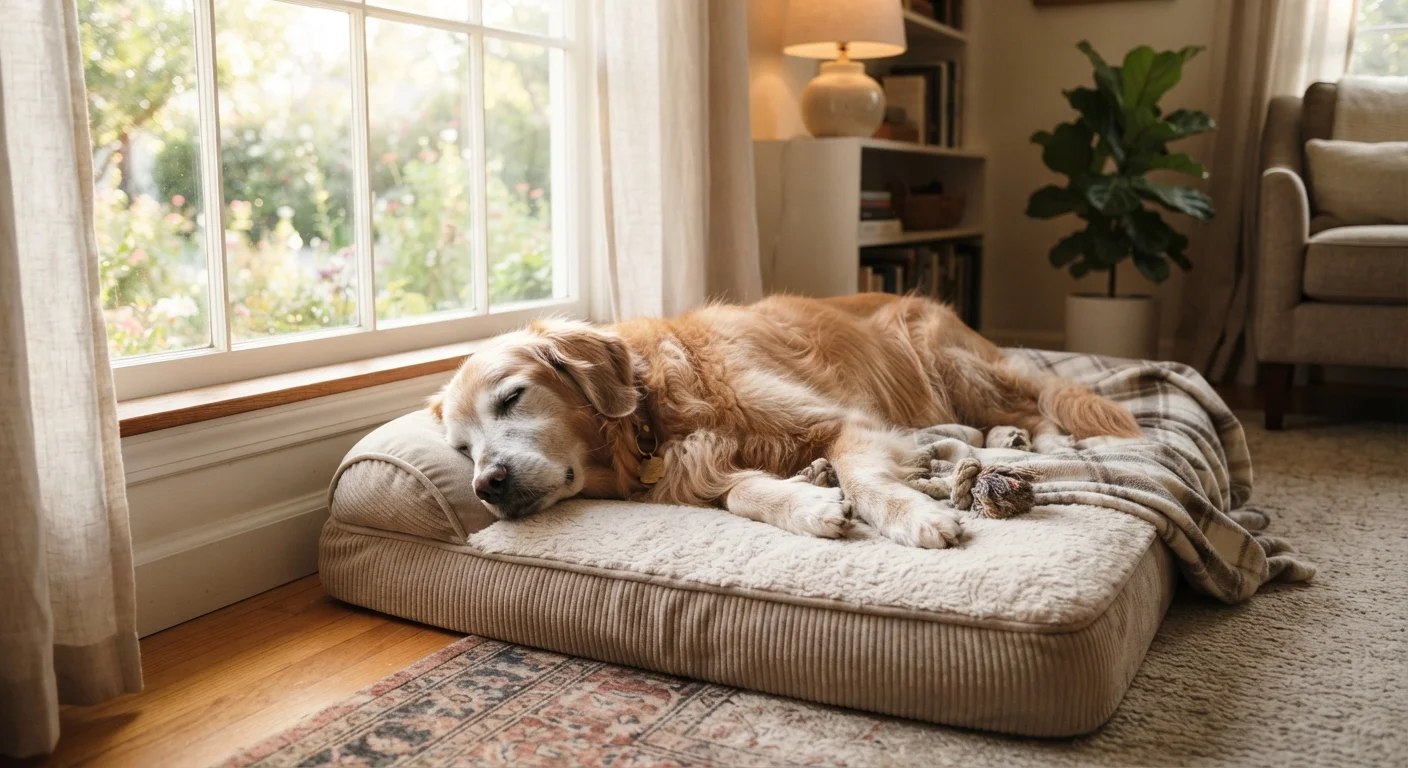
Photo credit: readerspanel.com
In this article
Senior dogs often develop arthritis and joint stiffness. Explore practical home adjustments and vet-informed strategies that can ease daily life.
Key Takeaways
- Arthritis and joint stiffness are common in senior dogs and often manageable with home adjustments.
- Orthopedic bedding, ramps, and non-slip flooring reduce daily pain and fall risk.
- Short, gentle exercise remains important for joint health even as intensity decreases.
- A veterinarian should assess any mobility decline before you make significant care changes.
- Mental stimulation helps offset reduced physical activity and supports overall well-being.
Why mobility declines in older dogs
Canine osteoarthritis is the most common cause of mobility decline in dogs over seven years old. Cartilage between joints wears down over time, causing bone-on-bone friction, inflammation, and pain. Large and giant breeds tend to show signs earlier, but any dog can develop joint problems with age.
Signs include reluctance to climb stairs, visible stiffness after rest, slower gait, and sensitivity when touched around the hips or shoulders. Some dogs become less enthusiastic about walks or hesitate before jumping onto furniture they once claimed without thought.
Because pain tolerance varies widely between individual animals, some dogs mask discomfort until it is significant. If you notice any behavioral shift alongside movement changes, a veterinary assessment is the right first step. Open communication with your vet helps you catch these changes early and build a care plan before mobility declines further.
This article is general information for educational purposes and is not a substitute for veterinary advice. Always consult your veterinarian about your individual dog's health needs.
Home adjustments that ease daily discomfort
Flooring is one of the first things to address. Hardwood, tile, and laminate give senior dogs very little grip, which forces them to compensate with extra muscle effort, often worsening joint stress. Rubber-backed rugs and yoga mats placed along main travel routes cost little and reduce slipping noticeably.
Ramps or low steps near sofas, beds, and car doors let a dog reach favorite spots without the impact of jumping. A ramp with a gentle slope and a textured surface is easier on joints than steps with a steep rise. For car travel, a ramp that hooks onto the bumper and slopes to the ground removes one of the most physically demanding daily tasks for a dog with hip or knee problems.
Food and water bowls raised to elbow height reduce the need to bend the neck and front legs repeatedly during meals. Raised feeders are available in many sizes, or a non-slip mat under existing bowls at least prevents sliding.
Warm up before walks
A few minutes of gentle indoor movement before heading outside helps loosen stiff joints, especially in cold weather. Let your dog move at its own pace around the house before clipping on the leash. This simple habit can reduce the visible stiffness that often appears in the first minutes of a walk.
For broader ideas on adjusting your home environment, pet-proofing adjustments that protect both your animal and your living space are worth reviewing alongside mobility-specific changes.
Choosing the right bedding
A supportive bed matters more than almost any other single purchase for an arthritic dog. Memory foam and orthopedic foam distribute weight evenly and reduce pressure on bony prominences such as hips, elbows, and shoulders. The bed should be thick enough that the dog does not compress it fully when lying down, typically at least three to four inches of dense foam for medium to large dogs.
Low entry height is equally important. A dog that struggles to step over a tall bolster may avoid the bed entirely and rest on cold, hard floors instead. Look for beds with a cut-out entry section or a completely flat profile.
Place the bed away from drafts and cold exterior walls. Stiff joints are sensitive to cold, and a warm, stable sleeping surface can make morning movement noticeably less labored.
Adapting exercise for a dog with joint pain
Stopping exercise entirely is counterproductive. Gentle, consistent movement keeps muscles supporting the joints, maintains a healthy weight that reduces joint load, and supports circulation. The goal is to reduce intensity and impact, not eliminate activity.
Short, frequent walks on soft surfaces like grass or packed dirt are easier on joints than long walks on concrete. Swimming and hydrotherapy, where available and recommended by a vet, provide low-impact cardiovascular exercise with almost no joint compression.
On days when outdoor exercise is limited by weather, indoor mental stimulation can substitute for some physical activity. Puzzle feeders, scent work, and calm interaction keep a senior dog engaged without taxing joints. Indoor activities for dogs offer ideas that translate well to lower-mobility animals. Cold and wet weather also affects stiff joints more than warm conditions do, so adjusting your routine seasonally is worth considering as part of your senior dog's care plan.

Author
Pets & Animals Editorial Team
Pets & Animals Editorial Team is the collective byline for our editorial team and contributor network. Articles published under this byline or an editorial pen name are researched, written, and reviewed according to our editorial standards for clarity, consistency, and independence before publication.
View all articles →