
Bringing a Second Pet Home: Setting Up Both Animals for a Smooth Introduction
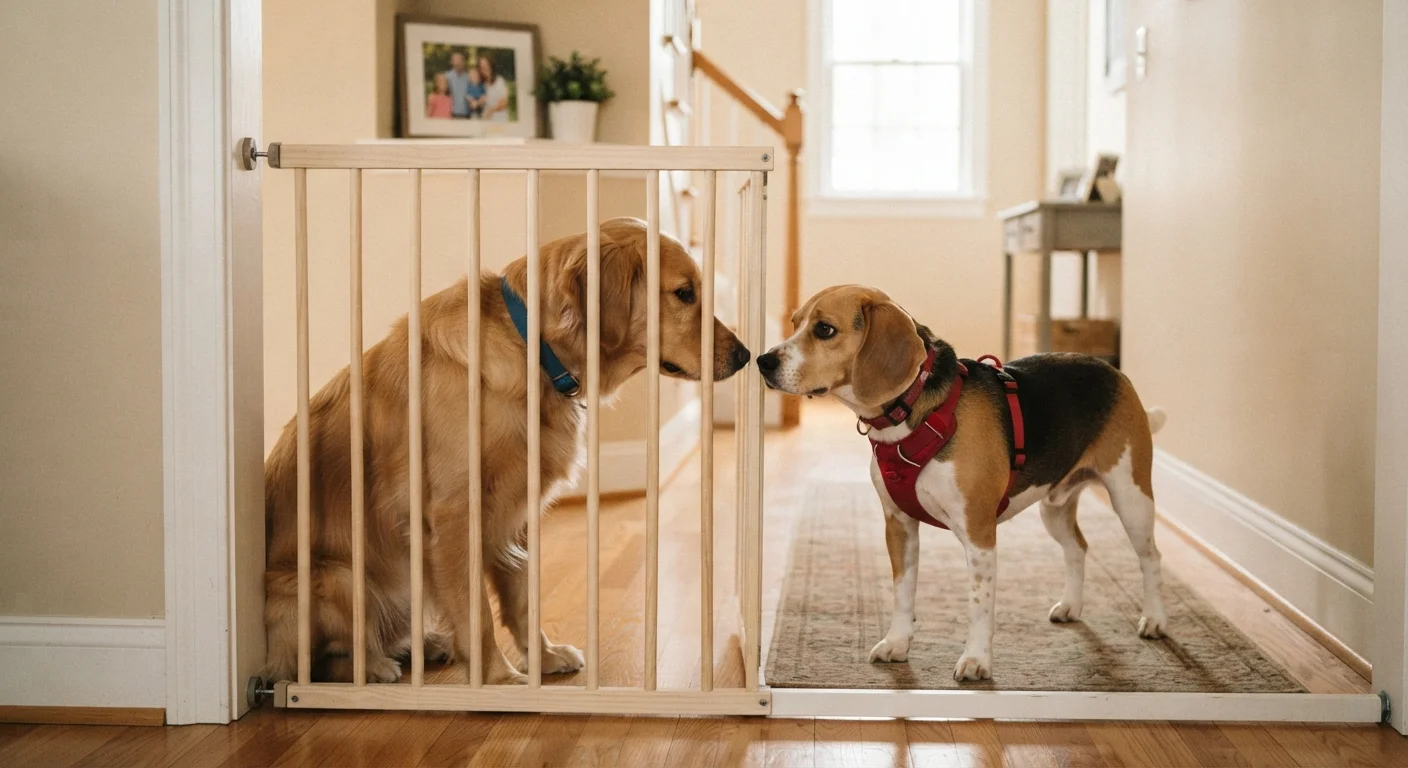
Photo credit: readerspanel.com
In this article
A rushed introduction can create lasting tension between pets. This step-by-step walkthrough covers the pacing, space management, and signals to watch for.
Why pacing the introduction matters
Bringing a second pet home is not simply a matter of opening the door and letting the animals sort things out. Animals depend on familiarity and predictability. A newcomer disrupts the territorial map the resident pet has built, which can trigger defensive or anxious behavior that persists long after the initial meeting.
The goal of a structured introduction is to give each animal time to process the other's presence before any direct contact occurs. When that process is compressed, even friendly animals can get off on the wrong foot. When it is paced well, many animals reach a stable coexistence within a few weeks.
This checklist applies broadly to dogs, cats, and small companion animals, though the specific timeline and barriers you use will vary by species. If either animal has a history of aggression toward other animals, consult a veterinary behaviorist before proceeding. See the first 30 days guide for new dogs for more on the adjustment window.
Aggression history changes the approach
If your resident pet has previously injured another animal, or if the new pet arrives with an unknown behavioral history, the standard checklist is not sufficient on its own. Contact a veterinary behaviorist before any face-to-face introduction. General timelines and barriers may not be adequate for these cases.
The introduction checklist
Work through these steps in order. Move to the next stage only when both animals are consistently calm at the current one.
Before the new pet arrives
First days: scent and sound only
First visual contact
Controlled shared space
Ongoing management
Signals to watch during each stage
Knowing what to look for is as important as following the steps. Calm signals include soft body posture, slow blinking in cats, relaxed ears, and loose tails. These indicate an animal is comfortable enough to continue.
Stop and return to the previous stage if you see sustained stiff posture, prolonged hard staring, raised hackles, hissing, growling, or lunging. A single growl is information, not failure; it means the animal needs more time at the current stage.
Appetite and sleep quality are useful background indicators. A pet that stops eating or becomes hypervigilant overnight is telling you the pace is too fast. Slow down before those signals escalate.
For small animals such as rabbits or guinea pigs, the same principle applies: see the free-roam vs. contained living article for space management considerations specific to that group.
Do not use punishment to manage tension
Correcting an animal for growling or hissing at the other pet suppresses the warning signal without addressing the underlying discomfort. This can lead to animals that attack without warning. Redirect, separate, and slow down the process instead.
Setting up the home for two
Physical environment shapes behavior. Each animal needs its own feeding station, water bowl, and resting area, placed far enough apart that neither animal feels it must guard resources. Litter boxes for cats follow the one-per-cat-plus-one rule.
A dedicated retreat space for each pet gives them somewhere to decompress without contact. This matters most in the first few weeks, when even neutral interactions can be tiring.
Keep the resident pet's existing furniture, bedding placement, and feeding schedule unchanged. Disrupting their routine at the same time as introducing a new animal compounds the stress they are managing. Once both animals are calm around each other, you can adjust the setup as needed.
If either animal is older or has mobility limitations, review the guide on adapting daily life for aging pets to make sure the shared space works for their physical needs.

Author
Pets & Animals Editorial Team
Pets & Animals Editorial Team is the collective byline for our editorial team and contributor network. Articles published under this byline or an editorial pen name are researched, written, and reviewed according to our editorial standards for clarity, consistency, and independence before publication.
View all articles →