
Merging and Lane Changes: Where Crashes Cluster on American Highways
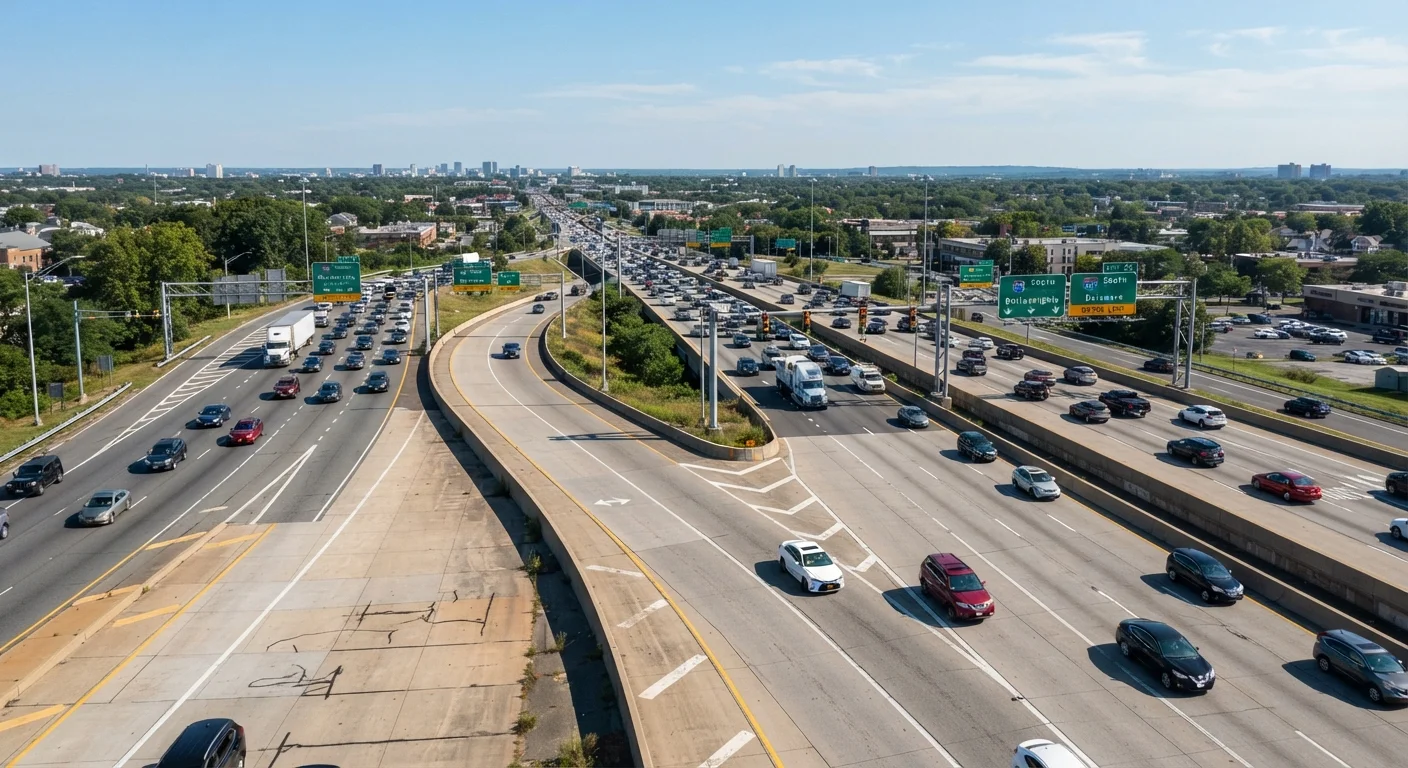
Photo credit: readerspanel.com
Most highway incidents happen during lane changes, not high-speed travel. Learn the blind spot checks and signaling habits that reduce your exposure.
Key Takeaways
- Lane-change crashes account for a significant share of highway collisions, often involving no prior vehicle malfunction.
- Blind spot checks, proper mirror adjustment, and consistent signaling are the main preventable failure points.
- Matching highway speed before merging reduces the chance of a rear-end or sideswipe collision.
- Distraction and overconfidence from familiarity are the most common root causes of merging errors.
- Passengers can affect driver decision-making during lane changes; social pressure is a real risk factor.
Why lane changes concentrate risk
Highway driving feels routine, and that familiarity is part of the problem. Drivers traveling in a straight line at a steady speed have one main task: stay in the lane. A lane change multiplies the variables: speed differential with adjacent traffic, reduced sight lines, the timing window to signal and move, and the behavior of drivers in the target lane who may not respond as expected.
According to the National Highway Traffic Safety Administration, lane-change and merge-related crashes are a consistent category in highway fatality data, and the majority involve no mechanical failure. The vehicle worked fine. The driver's process did not.
If you drive highways regularly, understanding where that process breaks down is worth your attention. Highway driving demands a different mental approach than city driving, and lane changes are the moment where the two overlap: you are making a lateral decision in a high-speed environment.
Merging at a speed significantly below the flow of traffic.
Why it happens: Drivers entering a highway from an on-ramp sometimes hesitate or brake instead of using the full length of the acceleration lane to match speed.
Skipping the over-the-shoulder blind spot check and relying only on mirrors.
Why it happens: Mirrors feel sufficient in normal conditions, and the head-turn takes a moment of attention away from the road ahead, which feels counterintuitive.
Signaling at the same moment as moving into the lane.
Why it happens: Drivers treat the turn signal as a courtesy announcement rather than an advance notice that gives others time to respond.
Forcing a merge into a gap that is too small for current speed.
Why it happens: Drivers misjudge closing speed when the gap looks open but the following car in the target lane is traveling faster.
Drifting gradually across a lane line instead of making a deliberate, timely move.
Why it happens: Gradual drift often happens when the driver is distracted, fatigued, or uncertain and has not fully committed to the decision to change lanes.
Changing multiple lanes in one continuous move.
Why it happens: Drivers in a hurry cut across two or three lanes to reach an exit or faster traffic, treating the move as a single action.
Building habits that hold under pressure
The errors listed above share a common thread: they are all decisions, not accidents in the fatalistic sense. A driver who builds a consistent pre-move sequence treats every lane change the same way whether traffic is light or heavy, whether a passenger is talking or not (see how passenger dynamics affect focus and speed choices), and whether the road is familiar or new.
That sequence does not need to be elaborate. Check mirrors, turn head to clear the blind spot, signal, wait for acknowledgment from traffic, move gradually. Doing this consistently in low-pressure conditions builds the motor pattern that holds when conditions are harder.
~33%
Share of highway crashes involving lane changes or merges
Federal highway safety data consistently shows that lane-departure and lane-change events are among the largest crash categories on U.S. interstates.
3 sec
Minimum signal lead time before moving
Most state driving manuals specify at least a three-second signal before beginning a lane change, though practice varies widely among drivers.
New and younger drivers are at higher statistical risk during lane changes because their pattern recognition is still developing. Classroom training tends to skip the real-world timing judgment that merging requires, which is worth keeping in mind if you are a new license holder or driving with one.
Weather compounds every mistake listed here. Reduced visibility and longer stopping distances shrink the margin for error on a merge. Know the steps to take in heavy rain before attempting any lane change at highway speed.

Author
Automotive Life Editorial Team
Automotive Life Editorial Team is the collective byline for our editorial team and contributor network. Articles published under this byline or an editorial pen name are researched, written, and reviewed according to our editorial standards for clarity, consistency, and independence before publication.
View all articles →