
The Real Tradeoffs of Pet Insurance
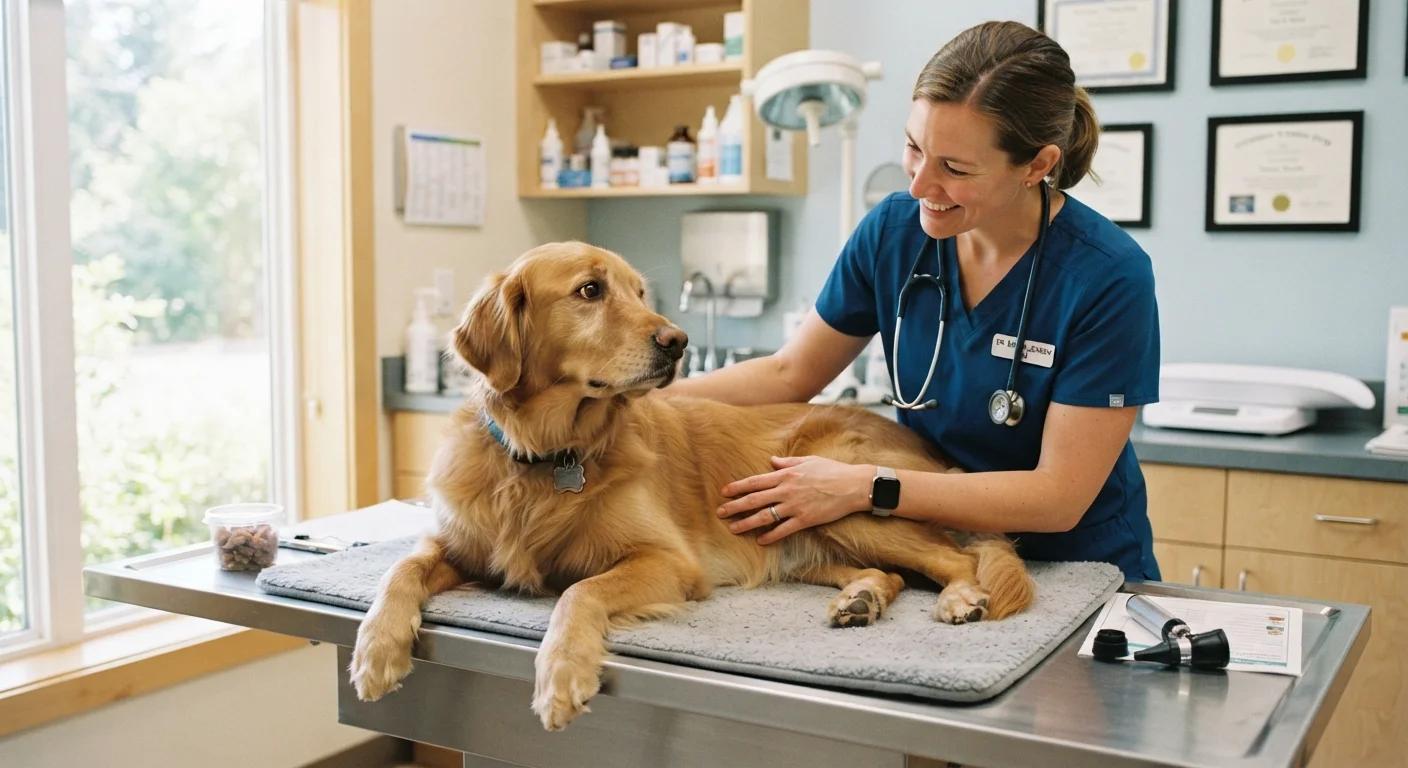
Photo credit: readerspanel.com
In this article
Pet insurance can reduce financial stress during emergencies, but it comes with exclusions and premiums. Here's a balanced look at what to weigh.
Key Takeaways
- Pet insurance can reduce the financial shock of emergency or specialist care, but it does not cover everything.
- Pre-existing conditions are almost universally excluded, so early enrollment matters.
- Monthly premiums vary widely by species, breed, age, and the deductible you choose.
- A pet savings account is a legitimate alternative, though it offers no protection against early, high-cost events.
- Reading the policy exclusions before signing is as important as comparing premium prices.
Limits exposure to large, unexpected veterinary bills
Emergency surgeries and specialist care can exceed $5,000 or more in a single incident. Insurance transfers most of that cost to the insurer after the deductible.
Predictable monthly expense replaces irregular large costs
A fixed premium is easier to budget for than a sudden four-figure bill, which can otherwise require taking on debt or depleting savings.
Encourages timely treatment decisions
When cost is less of a barrier, owners are more likely to seek care early rather than waiting and potentially allowing a condition to worsen.
Some plans cover hereditary conditions if enrolled before diagnosis
Breeds prone to hip dysplasia, heart disease, or similar inherited problems can benefit significantly if coverage is in place before symptoms appear.
Pre-existing conditions are nearly always excluded
Any health issue documented before the policy start date is typically ineligible for reimbursement, sometimes permanently. Late enrollment dramatically reduces the scope of coverage.
Premiums increase as pets age
Most insurers raise premiums annually based on the animal's age bracket, meaning the cost grows precisely when the pet is most likely to need care.
Reimbursement models can create billing confusion
Because payment goes to the owner rather than the clinic, owners must pay the full bill at the time of service and wait for reimbursement, which can take days to weeks.
Total premiums can exceed claims over a healthy pet's lifetime
If a pet remains healthy, the owner pays for coverage that never delivers a net financial benefit, which is a real possibility rather than a remote one.
Exclusions for dental and hereditary conditions limit practical coverage
Dental disease is one of the most common conditions in dogs and cats, yet most standard plans exclude it unless a separate add-on is purchased.
What pet insurance actually does
Pet insurance is a reimbursement product. You pay the veterinarian directly, then submit a claim and receive a percentage of covered costs back, minus your deductible. Most plans fall into three categories: accident-only, accident and illness, and comprehensive (which adds wellness visits). Understanding that distinction matters before comparing any two policies.
Unlike human health insurance, there is no negotiated rate between the insurer and the clinic. Your vet charges what they charge. The insurer reimburses a portion of that bill according to the plan's terms. For a fuller picture of how insurance products handle gaps and exclusions, the structure described in travel insurance explainer maps onto pet policies in useful ways.
The case for pet insurance
Limits exposure to large, unexpected veterinary bills
Emergency surgeries and specialist care can exceed $5,000 or more in a single incident. Insurance transfers most of that cost to the insurer after the deductible.
Predictable monthly expense replaces irregular large costs
A fixed premium is easier to budget for than a sudden four-figure bill, which can otherwise require taking on debt or depleting savings.
Encourages timely treatment decisions
When cost is less of a barrier, owners are more likely to seek care early rather than waiting and potentially allowing a condition to worsen.
Some plans cover hereditary conditions if enrolled before diagnosis
Breeds prone to hip dysplasia, heart disease, or similar inherited problems can benefit significantly if coverage is in place before symptoms appear.
Accident and illness plans can absorb costs that would otherwise force a difficult choice: take on debt, draw down savings, or limit treatment. Emergency surgeries, cancer treatment, and orthopedic procedures routinely run into several thousand dollars. For owners of breeds that carry a genetic predisposition to such conditions, coverage purchased early can pay for itself after a single incident.
Budgeting also gets easier. A fixed monthly premium is simpler to plan around than an irregular, unpredictable expense. Owners who travel frequently with their animals may find that reassurance especially useful; see tips for traveling with pets for related planning considerations.
The case against, or for caution
Pre-existing conditions are nearly always excluded
Any health issue documented before the policy start date is typically ineligible for reimbursement, sometimes permanently. Late enrollment dramatically reduces the scope of coverage.
Premiums increase as pets age
Most insurers raise premiums annually based on the animal's age bracket, meaning the cost grows precisely when the pet is most likely to need care.
Reimbursement models can create billing confusion
Because payment goes to the owner rather than the clinic, owners must pay the full bill at the time of service and wait for reimbursement, which can take days to weeks.
Total premiums can exceed claims over a healthy pet's lifetime
If a pet remains healthy, the owner pays for coverage that never delivers a net financial benefit, which is a real possibility rather than a remote one.
Exclusions for dental and hereditary conditions limit practical coverage
Dental disease is one of the most common conditions in dogs and cats, yet most standard plans exclude it unless a separate add-on is purchased.
The math does not always favor the policyholder. If your pet stays healthy, you will pay premiums for years and receive little in return. That is how insurance works by design, but it is worth stating plainly rather than assuming coverage always delivers value.
Pre-existing conditions are the most significant limitation. Any diagnosis recorded before the policy start date is typically excluded permanently or for a waiting period. This means a pet with a prior knee injury may never receive reimbursement for that joint, even if the condition worsens. Enrolling while an animal is young and healthy is the most reliable way to avoid this gap. For a parallel look at how timing affects financial decisions, the analysis in car ownership financial tradeoffs applies a similar logic to another long-term cost calculation.
What policies commonly exclude
Beyond pre-existing conditions, most standard policies exclude: hereditary and congenital conditions (unless specifically added), dental disease, grooming-related issues, elective procedures, and experimental treatments. Bilateral conditions deserve attention: if one hip is diagnosed before enrollment, many insurers will exclude both hips.
Waiting periods apply to most plans. Illness coverage typically activates 14 days after the policy start, while orthopedic conditions sometimes carry a six-month wait. A pet that fractures a leg on day three of the policy may be covered; a dog diagnosed with hip dysplasia on day 45 may not be, depending on the insurer's orthopedic waiting period.
Wellness add-ons: check the numbers first
Wellness add-ons, which cover routine checkups, vaccinations, and preventive care, are sometimes marketed as part of a comprehensive plan. In practice, these add-ons often reimburse less than their cost when the premium increase is factored in. Calculate the actual dollar value before adding one to a policy.
Wellness add-ons, which cover routine checkups, vaccinations, and preventive care, are sometimes marketed as part of a comprehensive plan. In practice, these add-ons often reimburse less than their cost when the premium increase is factored in. Calculate the actual dollar value before adding one.
The self-insurance alternative
Some owners set aside a fixed monthly amount into a dedicated savings account instead of paying a premium. This approach works well if the pet stays healthy for several years, allowing the fund to grow before a major expense arrives. The risk is timing: a large veterinary bill in year one, before savings have accumulated, leaves the owner fully exposed.
The right choice depends on the animal's age and breed, the owner's savings capacity, and personal comfort with financial risk. A young bulldog with a family history of respiratory and orthopedic problems presents a different calculation than a mixed-breed cat with no known health concerns. Your veterinarian can give you a realistic picture of what conditions are common in your specific pet's profile. For broader context on building a pet-friendly household that supports your animal's long-term health, pet-proofing your home covers the environmental side of that equation.
This article is for general informational purposes only and does not constitute financial or veterinary advice. Consult a licensed veterinarian and a qualified financial professional for guidance specific to your situation.

Author
Pets & Animals Editorial Team
Pets & Animals Editorial Team is the collective byline for our editorial team and contributor network. Articles published under this byline or an editorial pen name are researched, written, and reviewed according to our editorial standards for clarity, consistency, and independence before publication.
View all articles →