
Garden Myth Check: Does Talking to Plants Really Help Them Grow?
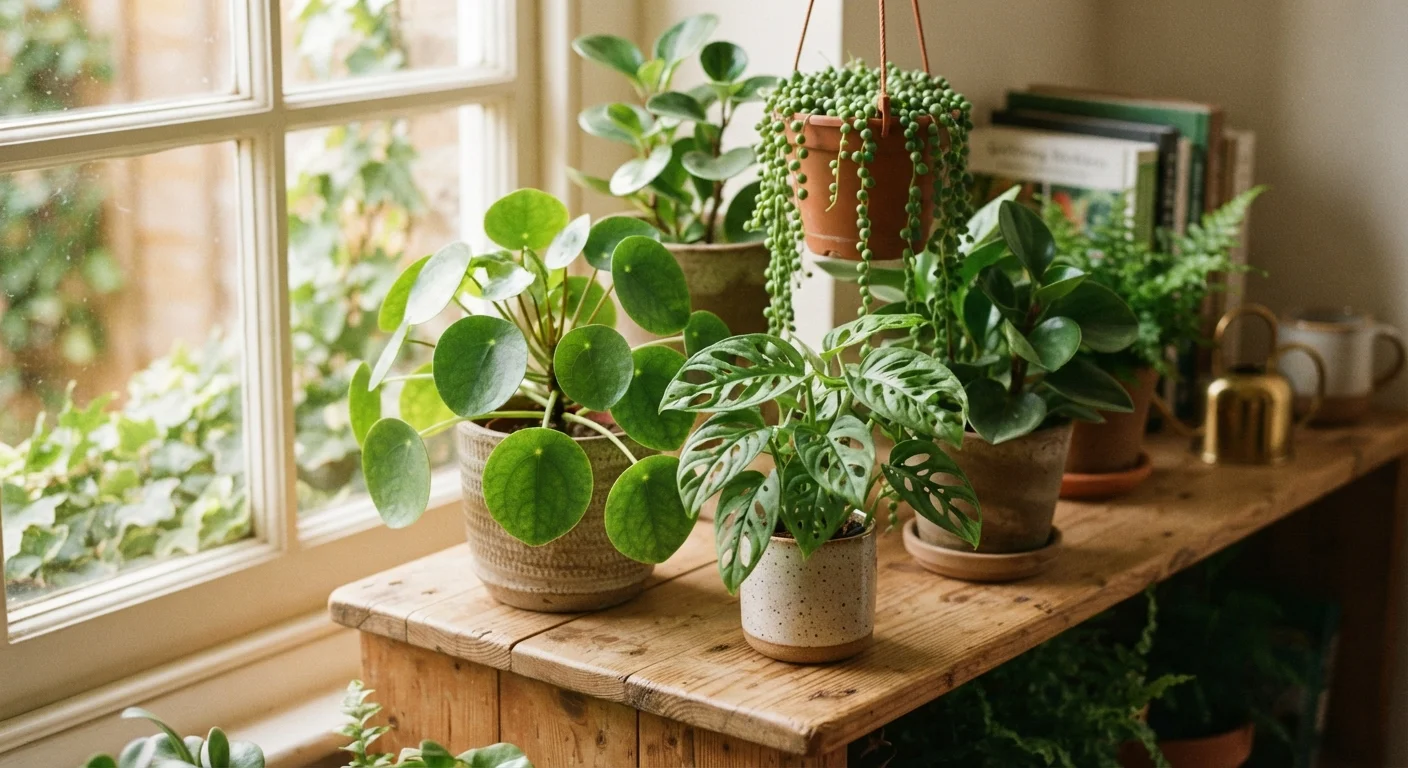
Photo credit: readerspanel.com
In this article
Separate gardening folklore from science. This article looks at common plant-care myths and what research actually shows about each one.
Key Takeaways
- Talking to plants may offer a small benefit, but the effect is likely from carbon dioxide and vibration, not the words themselves.
- Overwatering is one of the most common causes of plant death, and soggy soil does not signal care.
- Gravel or stones at the bottom of a pot do not improve drainage; they can actually worsen root conditions.
- Wilting does not always mean a plant is thirsty; overwatering and root rot can cause the same symptom.
- Companion planting has real evidence behind some pairings, but many popular combinations lack research support.
Why garden myths persist
Gardening advice travels easily through family habit, social media, and well-meaning neighbors. Some of it is sound; some of it has been repeated so often that it feels true without ever being tested. The myths covered here are among the most common ones home gardeners encounter, and sorting them out can save time, money, and a fair number of plants.
For a deeper look at how leaf color and shape changes signal actual problems, see reading your plants. And if you want evidence-based planting strategies, companion planting pairs with real support is worth reading alongside this article.
Common plant-care myths examined
The myth-and-fact pairs below cover some of the most widespread misconceptions in home gardening. Each one has a real consequence for plant health when the myth is followed.
Myth
Talking to your plants helps them grow faster and stay healthier.
Fact
There is some limited research suggesting sound vibrations may affect plant growth, but the effect is small and the mechanism is physical, not communicative.
A few small studies have looked at whether sound or speech affects plant development. The more plausible explanation for any observed benefit is that exhaled carbon dioxide from close proximity increases the CO2 available to the plant during photosynthesis, and that low-frequency vibrations may influence cell activity in some species. Neither effect requires words or intention. The research in this area is preliminary, the sample sizes are small, and results vary widely by species. Talking to plants does no harm, but it does not replace adequate light, soil nutrition, or correct watering.
Myth
Putting gravel or stones at the bottom of a pot improves drainage.
Fact
A gravel layer at the base of a pot actually raises the water table inside the container, keeping the soil above it wetter for longer.
This is a well-documented misunderstanding of how water moves through layered growing media. Water does not flow freely from fine-textured soil into coarse material below it; surface tension holds water in the finer layer until it reaches saturation. The result is that the soil directly above the gravel stays wet longer than it would in a pot filled with a single consistent mix. For proper drainage, use a pot with adequate drainage holes and a well-structured potting mix. The gravel layer adds weight and reduces usable root space without improving conditions.
Myth
Wilting always means the plant needs water.
Fact
Wilting can result from overwatering, root rot, root damage, or heat stress, not only from drought.
When roots rot from prolonged moisture, they lose the ability to move water up into the plant. The visible result is the same as drought stress: drooping leaves and stems. Adding more water to an already overwatered plant accelerates the root damage. Before watering a wilting plant, check the soil moisture level an inch or two below the surface. If the soil is already damp, hold off and inspect the roots if the problem persists. Wilting during the hottest part of a summer afternoon is also normal for some species and does not always signal a problem that requires intervention.
Myth
You should water plants on a fixed daily schedule regardless of conditions.
Fact
Watering need varies with temperature, humidity, season, plant species, and soil type; a fixed daily schedule often leads to overwatering.
Plants in a pot on a hot patio in July and the same plants on a shaded porch in October have very different water requirements. Soil type also matters: sandy soils drain fast, while clay-heavy mixes hold moisture much longer. A consistent schedule removes the single most important input: what the soil actually feels like today. Checking soil moisture before each watering, rather than watering by the calendar, leads to better outcomes across nearly all common garden plants.
Myth
Adding more fertilizer than recommended will make plants grow faster.
Fact
Excess fertilizer can burn roots, cause salt buildup in soil, and force leggy growth that weakens the plant.
Fertilizer labels specify rates for a reason. Concentrated soluble fertilizers in particular can raise salt levels in the root zone to the point where roots lose water through osmosis rather than absorb it, a condition called fertilizer burn. Even organic fertilizers applied in excess can disrupt soil biology. Plants also respond to high nitrogen by pushing rapid leafy growth at the expense of root development, flower production, and overall resilience. Follow label rates, and if a plant is visibly stressed, correct the environmental conditions before adding fertilizer.
Myth
All plants need full sun to grow well.
Fact
Many common garden and houseplants are adapted to low or indirect light and can fail in direct sun.
Light requirements vary enormously by species. Woodland natives, ferns, hostas, and many popular houseplants evolved under canopy cover and can scorch in direct afternoon sun. Placing a shade-adapted plant in full sun often produces bleached or brown leaf edges, wilting, and reduced growth rather than improvement. shade gardening with low-light plants covers which species thrive without direct sun and how to use those spots productively. Matching a plant to its actual light needs is more productive than trying to force any plant into a high-sun position.
Watering habits deserve particular attention. Many gardeners assume more water equals more care, but the roots of most common garden plants need oxygen as well as moisture. deep watering versus frequent shallow watering explains how root development responds to each approach.
Container growers face an additional layer of these myths. container gardening principles covers soil mix and drainage in detail, including why pot design matters as much as watering frequency.
Putting accurate knowledge to work
90%+
Of houseplant deaths attributed to watering errors
Horticultural educators commonly cite overwatering and underwatering as the leading causes of houseplant failure, with overwatering being the more frequent problem.
6-7
Ideal soil pH range for most vegetables
Most common vegetable crops grow best in slightly acidic to neutral soil; pH outside this range limits nutrient availability regardless of fertilizer applied.
The practical takeaway from each corrected myth is simple: plant health depends on light, soil quality, water management, and air circulation. None of those factors are improved by folklore shortcuts. When a plant looks stressed, check its actual conditions before adding fertilizer, water, or any other input. leaf color and shape changes are often the earliest readable signal of what is actually wrong.
For gardeners who want to use plants as a natural part of pest management, plants that discourage garden pests offers a grounded look at which species have real evidence behind them.

Author
Home & Garden Editorial Team
Home & Garden Editorial Team is the collective byline for our editorial team and contributor network. Articles published under this byline or an editorial pen name are researched, written, and reviewed according to our editorial standards for clarity, consistency, and independence before publication.
View all articles →