
What Is Your Decorating Style? A Plain-English Guide to the Most Common Aesthetics
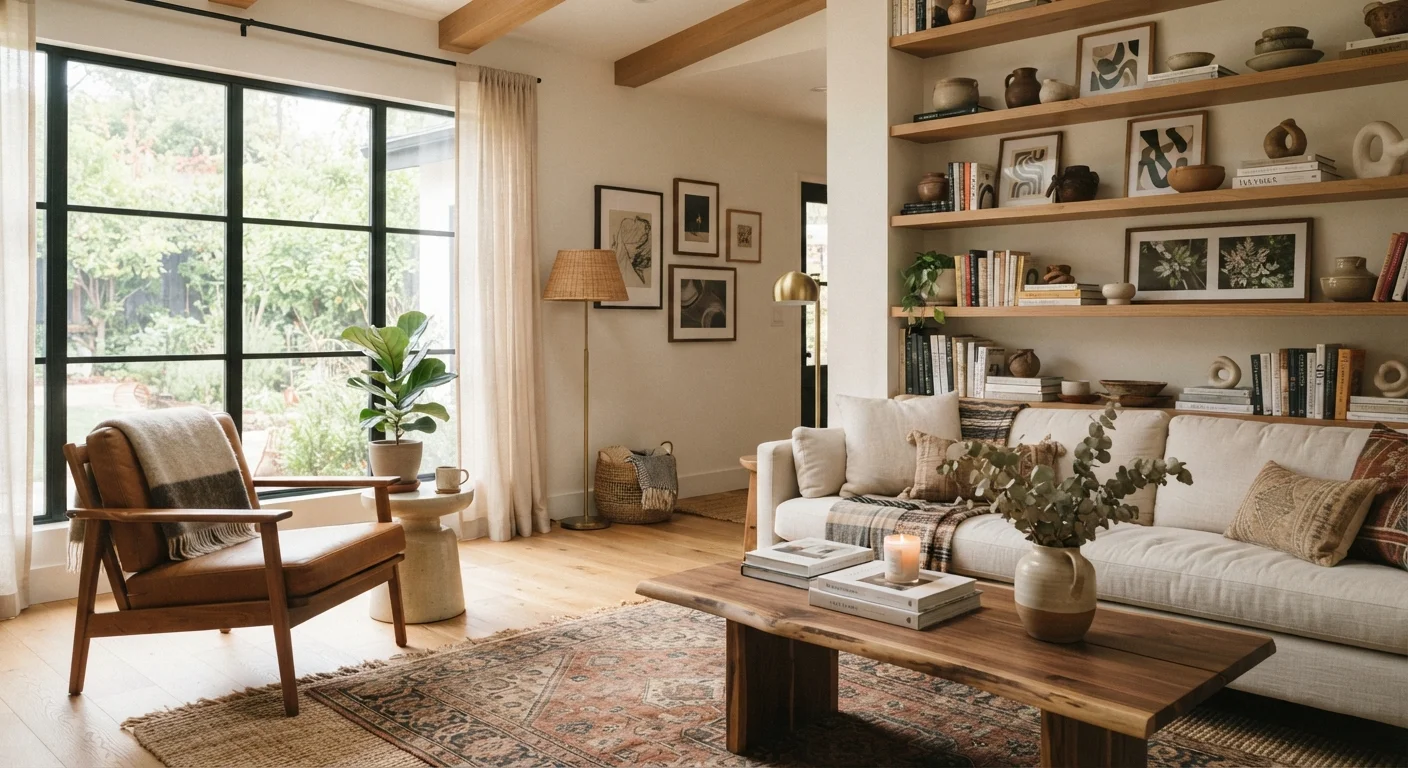
Photo credit: readerspanel.com
In this article
Farmhouse, mid-century, minimalist, maximalist: learn what each decorating style actually means and how to figure out which fits your home.
Key Takeaways
- Decorating styles are shorthand for a consistent set of shapes, materials, and color choices that work together.
- Farmhouse, mid-century modern, minimalist, maximalist, and Scandinavian are among the most widely used aesthetics in American homes.
- Most people naturally gravitate toward two or three compatible styles rather than one pure aesthetic.
- Identifying your style helps you spend money more deliberately and avoid decor purchases you later regret.
- Irreversible decisions like built-ins and tile deserve more scrutiny than swappable ones like pillows and rugs.
Why naming your style matters
Walking into a home goods store without a clear idea of your decorating style is one of the fastest ways to accumulate pieces that never quite work together. A style name is not a rule; it is shorthand for a consistent set of shapes, materials, finishes, and color relationships. When you know roughly what aesthetic you are drawn to, shopping becomes more deliberate and rooms become more coherent over time.
Naming your style also helps when you are working with a limited budget. Instead of buying a little of everything on sale, you can hold out for pieces that genuinely fit the look you are building. The same logic applies to paint colors, textiles, and lighting fixtures: consistency across those choices is what makes a room feel considered rather than assembled at random.
Aesthetic
In decorating, an aesthetic is a recognizable visual style defined by consistent choices in color, shape, material, and arrangement. Examples include farmhouse, minimalist, and mid-century modern.
Palette
A palette is the set of colors used consistently throughout a room or home. A controlled palette is what makes a space feel unified rather than disjointed.
Negative space
Negative space is the empty or unoccupied area in a room. In minimalist and Scandinavian design, negative space is treated as a design element in itself, not just a gap to be filled.
Transitional style
Transitional style blends contemporary furniture shapes with warmer, more traditional finishes and textiles. It sits between modern and traditional without fully committing to either.
Curation
In home decor, curation means choosing objects deliberately so that each one contributes to the room's overall look or purpose. It is what separates an intentional collection from accumulated clutter.
The most common decorating aesthetics explained
Farmhouse
Farmhouse style draws from the visual language of rural American homes: shiplap walls, apron-front sinks, distressed wood, and a palette anchored in white, cream, and warm gray. Furniture tends toward sturdy and simple, with open shelving used to display practical objects. The overall feeling is lived-in and unpretentious rather than formal.
Mid-century modern
This aesthetic covers the design movement that ran roughly from the 1940s through the 1960s. Low-profile furniture, tapered legs, organic curves, and restrained ornamentation are its signatures. The color palette often mixes warm neutrals with a single bold accent. Materials like molded plywood, fiberglass, and teak are common.
Scandinavian
Scandinavian design prioritizes function, natural light, and calm. It shares mid-century modern's clean lines but leans cooler and more spare, with white walls, natural wood, and textiles in muted tones. Clutter is kept out of sight. The goal is a room that feels restful without feeling cold.
Minimalist
Minimalism removes everything that does not earn its place. Each object is either functional or visually significant, and the negative space around objects is treated as part of the composition. Texture and natural light carry the aesthetic where pattern and quantity would in other styles.
Maximalist
Maximalism is the intentional embrace of abundance: layered pattern, collected objects, saturated color, and complex rooms that reward close looking. The difference between maximalism and clutter is curation. A maximalist room has coherent color logic and deliberate groupings; it reads as purposeful even when it is dense.
Transitional
Transitional style blends contemporary lines with warmer traditional elements. It tends to appeal to homeowners who find pure modern too cold and pure traditional too formal. A consistent palette and shared finish across pieces keeps the mix from reading as indecisive.
Bohemian
Bohemian style layers global textiles, handmade objects, plants, and pattern without strict symmetry. It tends to feel personal and accumulated rather than designed. Color is usually warm and the overall register is casual and relaxed.
How to figure out what your style actually is
Collect images of rooms that make you feel at ease, not just rooms you find impressive. After gathering 20 to 30, look for what repeats: the clutter level, the color temperature, the furniture silhouette, the presence or absence of pattern. Those patterns reveal your actual preferences, which are often narrower than they initially appear.
Pay attention to what you keep and what you put away. If you consistently hide bold objects in a closet, you may prefer a calmer visual environment than you think you do. If you own many layered textiles and global objects, a spare minimalist space may never feel right to you regardless of how much you admire it in photographs.
Use your existing furniture as a starting point
Before buying anything new, photograph each room and look at the images on a small screen. Distance compresses detail and makes the overall color and shape relationships easier to read. The pieces you already own often point clearly toward the aesthetic you are building, even if you have not named it yet.
Also consider your architecture. A Victorian house with ornate moldings resists pure minimalism the way a flat-ceilinged 1960s ranch resists heavy traditional furniture. Your space is part of the equation, not just a blank container.
Mixing styles intentionally
Most people do not live in one pure aesthetic, and that is fine. The goal is to mix with intention. A shared color palette is the most reliable way to make different styles coexist: when the wood tones, textiles, and walls share a temperature (warm or cool), contrasting furniture shapes tend to read as eclectic rather than accidental. See our guide to mixing wood tones for more on how material consistency shapes a room's overall cohesion.
Proportion matters too. One statement piece from a contrasting style can anchor a room and give it personality. Five competing statement pieces produce visual noise. The discipline is in deciding which piece gets to be the exception.
Before committing to irreversible decisions like tile, built-ins, or wallpaper, think through how durable that choice will feel as your tastes shift. Our article on decorating decisions that are hardest to undo covers the questions worth asking before you are locked in.
Where to go from here
Once you have a working idea of your aesthetic direction, individual decor decisions get easier to evaluate. A gallery wall, for instance, looks very different in a minimalist room than in a maximalist one: the frame style, spacing, and number of pieces all shift depending on the broader context. Our gallery wall layout guide walks through those decisions in detail.
Bedroom decor also responds to aesthetic choices in practical ways. Color temperature, lighting type, and clutter level all influence how restful a space feels. See our article on decorating a bedroom for better sleep for a grounded look at what environmental changes can reasonably support.
Mirrors are another area where style choice shapes placement and effect. A large ornate mirror reads differently in a farmhouse room than in a minimalist one, and what a mirror reflects is as important as the mirror itself. Our guide to decorating with mirrors covers placement principles that apply across aesthetics.
Frequently Asked Questions

Author
Home & Garden Editorial Team
Home & Garden Editorial Team is the collective byline for our editorial team and contributor network. Articles published under this byline or an editorial pen name are researched, written, and reviewed according to our editorial standards for clarity, consistency, and independence before publication.
View all articles →