
Indoor Plants as Decor: Matching the Right Species to Your Light, Space, and Maintenance Tolerance
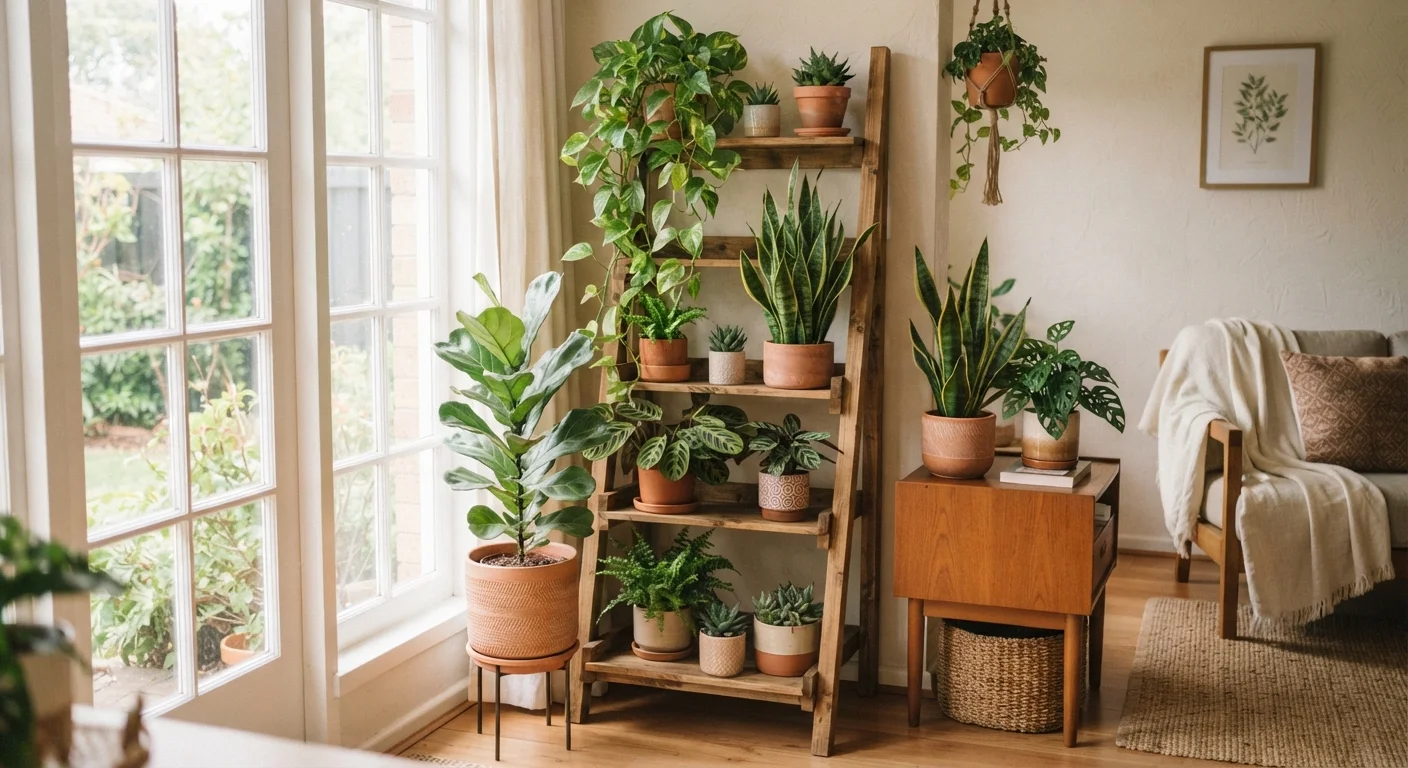
Photo credit: readerspanel.com
In this article
Plants add life to any room, but the wrong plant in the wrong spot rarely survives. Match species to your actual light conditions and lifestyle honestly.
Why most plant failures start before you leave the store
The most common indoor plant mistake is choosing a species based on appearance and hoping the conditions work out. Light, humidity, and watering frequency are not adjustable after the fact, and many popular houseplants have requirements that simply do not match a typical American interior. Before buying anything, spend a few days noting where your actual bright spots are and how consistently you water other plants or household items that need regular attention.
Light is the variable most people misjudge. A room that feels bright to human eyes may receive far less usable light than a plant needs. Distances from windows matter more than most people expect: light intensity drops off sharply even a few feet from the glass. North-facing windows in many US homes deliver limited direct light year-round. South-facing windows tend to be the most reliably bright. East and west windows provide moderate, directional light that suits a wide range of species.
If you are also curious about what plant-care folklore holds up under scrutiny, the garden myths article separates common beliefs from what the evidence actually shows.
Bright indirect light
Light conditions where a plant receives strong ambient light from a window but is not in the direct path of sunlight for extended periods. This is the range most tropical houseplants prefer.
Root rot
A condition in which a plant's roots decay due to prolonged exposure to excess moisture, usually from overwatering or inadequate drainage. Affected roots cannot absorb water or nutrients.
Foot-candle
A unit of light intensity measurement. Houseplant requirements are sometimes described in foot-candles: low-light plants generally tolerate 25 to 100 foot-candles, while high-light plants may need 200 or more.
Repotting
The process of moving a plant from its current container into a larger one to give roots more space. Done correctly, it also refreshes the potting mix, which breaks down over time.
Hardening off
A gradual process of acclimatizing indoor-grown plants to outdoor conditions, such as stronger light, wind, and temperature variation, before transplanting them into garden beds.
Matching species to your light conditions
Low-light rooms, roughly defined as spots more than six feet from a window or lit only by a north-facing pane, suit a short list of genuinely tolerant species. Pothos, ZZ plant (Zamioculcas zamiifolia), and cast iron plant (Aspidistra elatior) handle dim conditions without declining quickly. Peace lily (Spathiphyllum) also tolerates low light, though it produces fewer flowers without brighter conditions.
Medium-light spots, such as a few feet back from an east or west window, open up considerably more options. Snake plant (Sansevieria, now reclassified as Dracaena trifasciata), spider plant, and heartleaf philodendron do well here. These species also forgive irregular watering better than most.
Bright indirect light, the area immediately beside a south or west window where direct sun does not hit the leaves for more than an hour or two, suits fiddle-leaf fig (Ficus lyrata), monstera deliciosa, and most calatheas. Succulents and cacti generally need direct sun for several hours daily, making them poor fits for most interior spots despite their reputation as low-maintenance plants.
For readers managing outdoor planting alongside indoor decor, the shade gardening guide covers which plants handle limited sun in exterior beds.
Space and scale: fitting plants to the room
| Low-light survivors | ZZ plant, pothos, cast iron plant |
| Best window orientation for bright light | South-facing (Applies to Northern Hemisphere locations) |
| Recommended pot size increase when repotting | 1 to 2 inches wider than root ball |
| Humidity threshold for tropical species | Below 40% risks stress in many tropical houseplants (Relevant in homes with forced-air heating) |
| Most common cause of houseplant death | Overwatering and poor drainage |
| High-light requirement species | Cacti, most succulents (Need several hours of direct sun daily) |
A single large-format plant almost always looks more deliberate than a cluster of small ones. Fiddle-leaf figs, bird of paradise (Strelitzia reginae), and majesty palm can reach ceiling height over a few years and work well as statement pieces in rooms with high ceilings and at least one large window. In smaller rooms or apartments, trailing plants on shelves or wall-mounted planters use vertical space without occupying floor area.
Pot size affects both aesthetics and plant health. Pots that are far too large for the root ball retain excess moisture, which raises the risk of root rot. A pot one to two inches wider in diameter than the current root system is appropriate for most repotting situations. Drainage holes are not optional: standing water in a pot without drainage is one of the most consistent causes of houseplant death.
If you grow plants in containers on a patio or balcony, many of the same drainage and soil principles apply indoors. The container gardening guide covers soil mix and drainage in depth.
Honest maintenance tolerance: what you will actually do
Matching a plant to your real schedule matters as much as matching it to your light. If you water irregularly or travel frequently, drought-tolerant species such as ZZ plant, snake plant, pothos, and most succulents (given adequate direct sun) are more durable choices. If you enjoy tending plants daily, moisture-loving species like ferns, calatheas, and orchids are realistic options.
Leaf changes are usually the first visible sign of a mismatch between a plant's needs and its conditions. Yellowing leaves, brown tips, or sudden leaf drop each point to specific problems. The leaf diagnosis article explains what common changes signal about watering, nutrients, and environment before problems spread.
Humidity deserves attention in US homes with forced-air heating or air conditioning. Many tropical species struggle when indoor humidity drops below 40 percent in winter. Grouping plants together modestly raises local humidity. Pebble trays with water placed beneath pots also help, as long as the pot bottom does not sit directly in standing water.
For readers interested in starting plants from seed to expand their indoor collection into outdoor beds, the seed starting guide covers timing, light management, and hardening off seedlings before transplanting.

Author
Home & Garden Editorial Team
Home & Garden Editorial Team is the collective byline for our editorial team and contributor network. Articles published under this byline or an editorial pen name are researched, written, and reviewed according to our editorial standards for clarity, consistency, and independence before publication.
View all articles →